HRV Tracking: The Ultimate Recovery Metric Explained
Heart rate variability, or HRV, describes variation in the time between heartbeats.
What the number describes
Heart rate variability, or HRV, describes variation in the time between heartbeats. Wearables turn those measurements into summaries that can help you notice patterns. A single score is not a diagnosis, and different devices or measurement methods may produce numbers that should not be directly compared.
Build a useful baseline
Use the same device and a consistent measurement routine. Look at your recent pattern alongside sleep, perceived fatigue, soreness, stress and how training actually feels. Record unusual circumstances, such as travel or an interrupted night, rather than treating every daily fluctuation as a meaningful change in fitness.
Make a decision with context
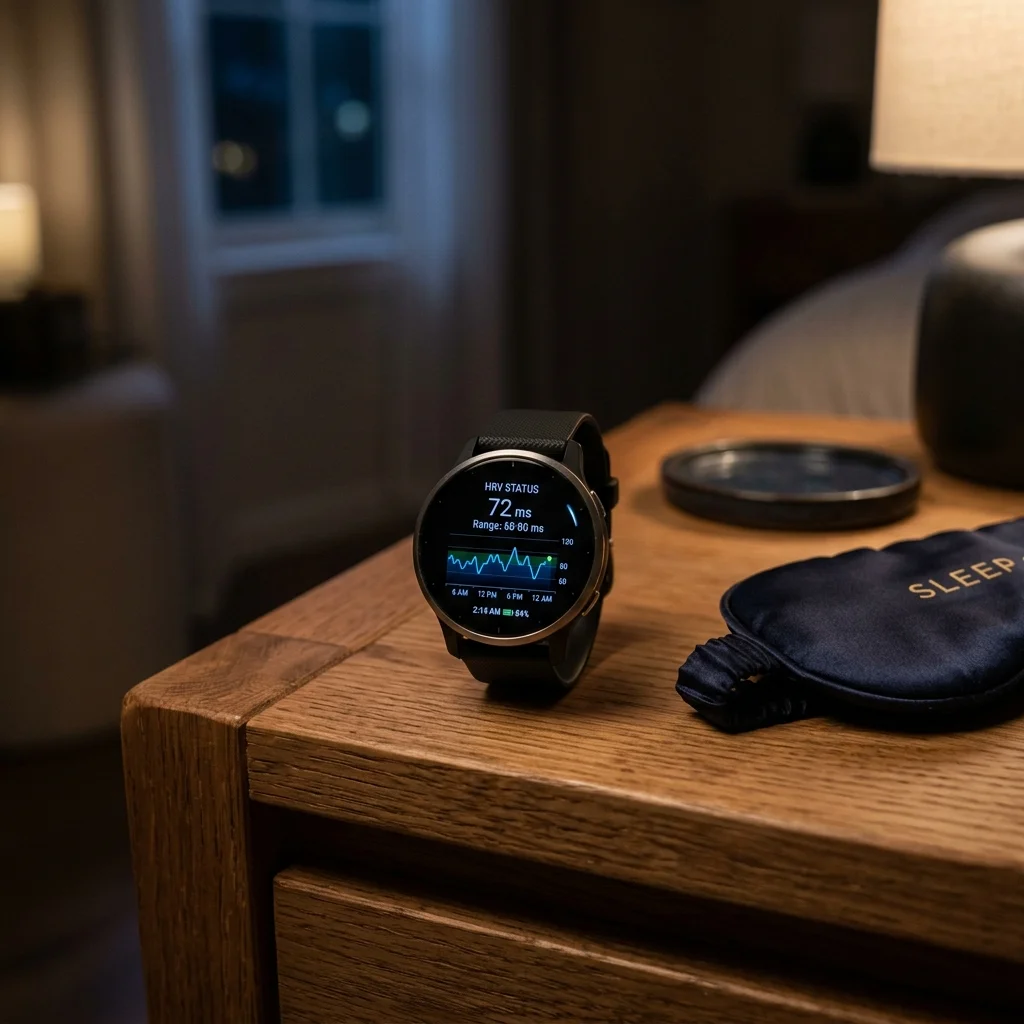
Imagine the wearable reports a lower score after a short night of sleep. Before changing a workout, check how you feel, what the session involves and whether the pattern has repeated. An easier session may fit your day, but the score cannot certify that a hard session is safe or unsafe. Likewise, a high score does not override pain, illness or unusual symptoms.
Keep the limits visible
If you use Fortiva’s recovery tools, review which signals are connected and correct information that is missing or inaccurate. Seek professional advice for persistent concerns or symptoms rather than relying on an app’s readiness score. The useful question is whether several signals support a manageable next action, not whether today’s number beats someone else’s.
Tools and further reading
Explore the related Fortiva coaching tools to organize your own plan.
Cleveland Clinic: heart rate variability. This guide offers general educational information and has not been presented as a clinical assessment.
Make the next action easier
Turn useful ideas into a plan built around your day.
Fortiva connects training, nutrition, recovery, and habits so you know what to do next—and why.
Join the public beta