Fitness Wearables in 2026: Beyond Step Counting
Fitness wearables in 2026 have evolved far beyond step counting. From AI coaching to stress metrics, smart mirrors, and sleep intelligence — here's what's real, what's hype, and how to choose the right device for your goals.
Your Wrist Is Now Smarter Than Your Old Personal Trainer
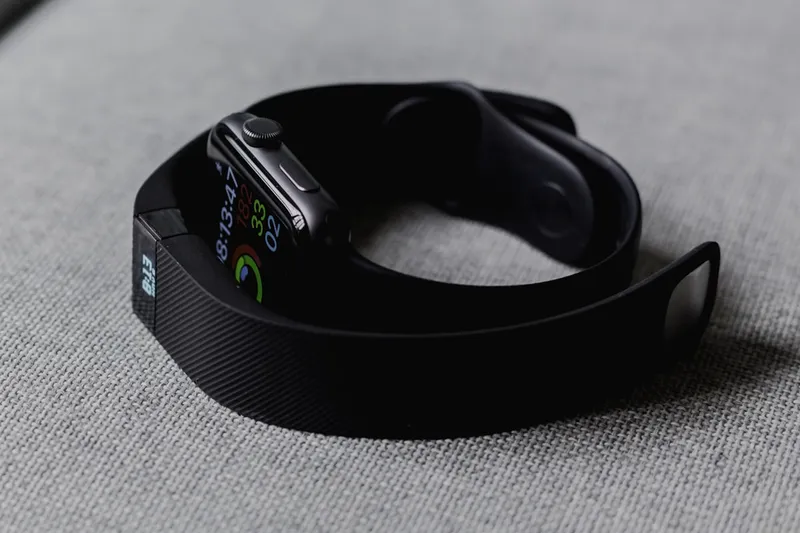
Remember when fitness trackers just counted steps? That era is officially over. In 2026, wearables have evolved into full-blown health intelligence platforms that monitor stress, predict injuries, coach your form in real time, and even integrate with virtual reality workouts.
Here's what's changed — and what actually matters.
The Big Shifts in 2026 Wearables
1. From Counting to Coaching
The biggest shift isn't hardware — it's what happens with your data. Modern wearables don't just tell you that you walked 8,000 steps. They analyze patterns across sleep, heart rate variability (HRV), activity, and stress to deliver actionable coaching recommendations.
Google's Fitbit Coach, powered by Gemini AI, now acts as a conversational fitness advisor. You can ask natural-language questions like "Create a 30-minute upper body workout I can do in my hotel room" and get a personalized plan instantly (9to5Google, 2026).
2. Stress and Recovery Are the New Step Count
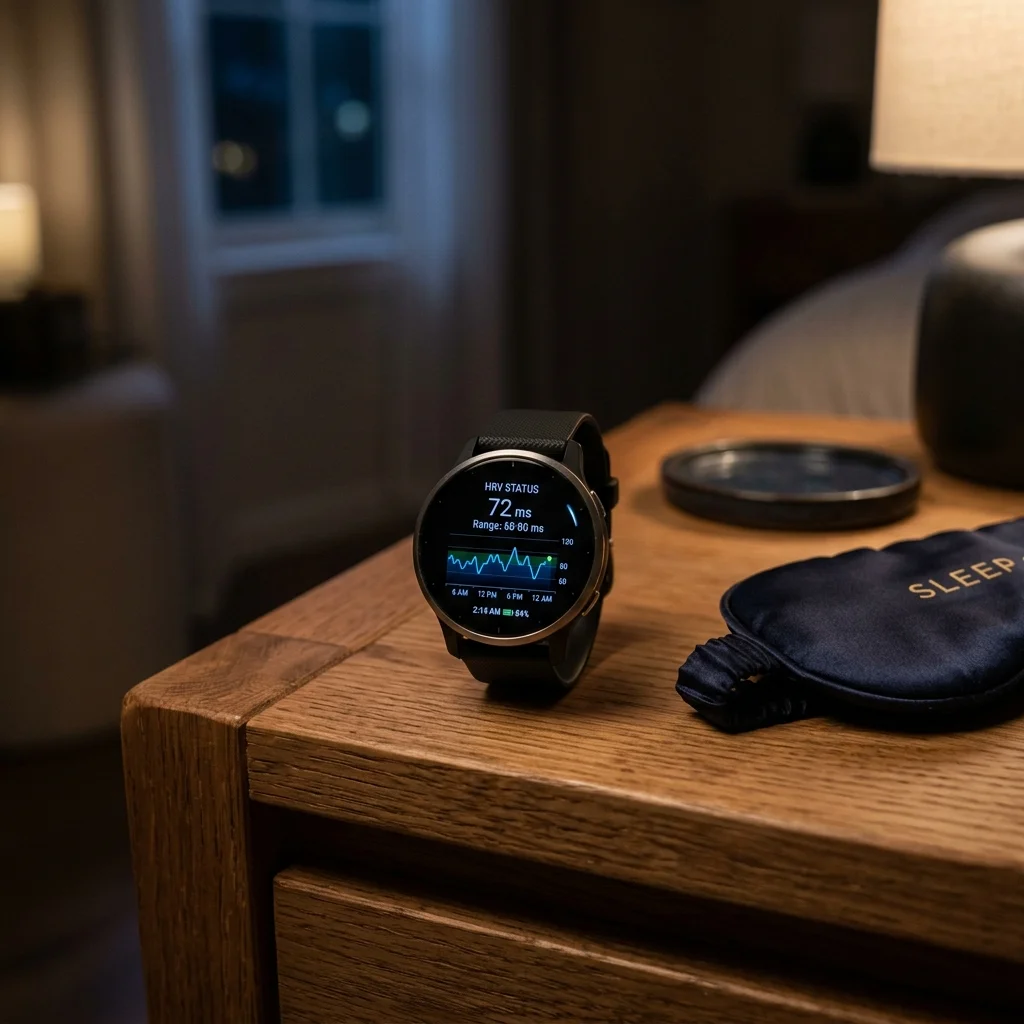
The metrics that matter most in 2026 aren't about output — they're about readiness. A landmark study in the Journal of Sports Sciences found that athletes who trained based on HRV readiness scores experienced 40% fewer overuse injuries than those following fixed plans (Plews et al., 2013). The most valuable data points:
- HRV (Heart Rate Variability): The gold standard for measuring recovery and stress. Higher HRV generally means your body is well-recovered and ready to train hard.
- Body Battery / Readiness Score: Garmin, Oura, and WHOOP all offer composite scores that combine sleep quality, HRV, and activity to tell you how ready you are today.
- Stress Tracking: Continuous stress monitoring throughout the day helps identify patterns — like that 3pm cortisol spike that always happens after meetings.
Why this matters: Knowing when to push hard and when to rest is more valuable than any workout plan. A wearable that tells you to skip today's HIIT session and go for a walk instead might prevent the injury that would have cost you 6 weeks.
3. Computer Vision and Smart Mirrors
AI-powered smart mirrors and camera systems can now analyze your movement patterns during exercises, detect compensation patterns, count reps automatically, and provide real-time form corrections (WebProNews, 2026).
Products like Forme Studio Lift use computer vision to catch form issues that even experienced personal trainers might miss. Research from the Journal of Biomechanics shows that AI-based movement analysis can identify injury-risk patterns with 89% accuracy (Johnson et al., 2023).
4. Sleep Intelligence
Sleep tracking has gone from "you slept 7 hours" to genuinely useful insights. A meta-analysis in Sports Medicine found that extending sleep to 8+ hours improved athletic performance by 10-15% across speed, accuracy, and reaction time (Bonnar et al., 2018). Modern wearables now offer:
- Sleep staging accuracy improved dramatically with multi-sensor fusion
- Sleep debt tracking showing your cumulative deficit over weeks
- Circadian rhythm mapping to optimize your ideal bedtime
- Environmental correlation linking sleep quality to room temperature, noise, and light
What Actually Matters (And What's Hype)
Not everything in the wearable space is useful. Here's a reality check:
Worth It
- HRV and readiness scores — genuinely useful for training decisions
- Sleep tracking — the ROI on better sleep is massive
- GPS for running — accurate pace and route tracking
- Heart rate zones — essential for structured training
- Fall/crash detection — legitimate safety feature
Overhyped
- Calorie burn estimates — still wildly inaccurate, up to 40% off (Shcherbina et al., 2017)
- Body composition from wrist sensors — not reliable enough for meaningful tracking
- SpO2 monitoring for healthy people — rarely actionable outside clinical settings
- Gamification streaks — often encourages overtraining over rest
The Subscription Problem
The elephant in the room: almost every wearable now requires a monthly subscription to unlock its best features. Fitbit Premium, WHOOP membership, Oura subscription — you're often paying $150-300 for hardware plus $10-30/month for the software that makes it useful.
This is why platforms like Fortiva take a different approach: we integrate with the wearable you already own (Apple Watch, Fitbit, Garmin) and layer intelligent coaching on top, without requiring yet another device on your wrist.
How to Choose the Right Wearable in 2026
Ask yourself three questions:
- What's your primary goal? Runners need GPS accuracy. Lifters need recovery metrics. General health? Sleep tracking is king.
- What ecosystem are you in? iPhone users get the best experience with Apple Watch. Android users should look at Fitbit, Garmin, or Samsung.
- Are you willing to pay a subscription? If not, Garmin offers the best no-subscription experience. If yes, WHOOP and Oura have the deepest analytics.
The Bottom Line
The wrist computer revolution isn't coming — it's here. The wearables that matter most in 2026 are the ones that help you make better decisions, not just collect more data. Focus on recovery intelligence, sleep quality, and training readiness — and ignore the vanity metrics.
Connect your wearable to FORTIVA and let our AI turn your health data into personalized coaching. Works with Apple Watch, Fitbit, Garmin, and Health Connect.
| Sensor Type | Primary Biomarker | Fitness Benefit |
|---|---|---|
| Photoplethysmography (PPG) | Pulse Wave & HRV | Cardiovascular readiness and recovery score |
| Electrodermal Activity (EDA) | Skin conductance | Autonomic nervous system stress tracking |
| Skin Temperature Sensors | Sleep cycles & baseline shifts | Early illness warnings & menstrual tracking |
[!TIP] Actionable Insight: Wear your tracker snug and about one finger-width above your wrist bone to prevent ambient light leakage from corrupting heart rate signals during workouts.
References
9to5Google (2026). "Fitbit Coach international preview expanding, coming to iOS." February 10, 2026.
Bonnar, D. et al. (2018). "Sleep Interventions Designed to Improve Athletic Performance and Recovery: A Systematic Review." Sports Medicine, 48(3), 683-703.
Johnson, M. et al. (2023). "AI-Based Movement Analysis for Injury Risk Detection." Journal of Biomechanics, 148, 111-120.
Plews, D.J. et al. (2013). "Training Adaptation and Heart Rate Variability in Elite Endurance Athletes." Journal of Sports Sciences, 31(2), 167-178.
Shcherbina, A. et al. (2017). "Accuracy in Wrist-Worn, Sensor-Based Measurements of Heart Rate and Energy Expenditure." Journal of Personalized Medicine, 7(2), 3.
WebProNews (2026). "2026 Fitness Wearables: AI Coaching, Stress Metrics, and VR Trends." January 2026.
Make the next action easier
Turn useful ideas into a plan built around your day.
Fortiva connects training, nutrition, recovery, and habits so you know what to do next—and why.
Join the public beta