AI Fitness Coaches Are Evolving Fast — But Are They Safe?
AI fitness coaches are booming — Google's Fitbit Coach just went global and Strava acquired Runna. But after reports of AI-driven overtraining injuries, the question is: are they safe? Here's what to look for in a responsible AI coach.
The Rise of the AI Personal Trainer
The global fitness industry is undergoing an AI revolution. Google just expanded its Gemini-powered Fitbit Coach to iOS and new international markets including the UK, Canada, and Australia (Google, 2026). Strava acquired Runna, an AI running coach. And dozens of startups are building intelligent coaching systems that adapt to your body in real time.
But with rapid growth comes growing pains. And the question everyone should be asking is: are AI fitness coaches actually safe?
What Happened with Runna
Earlier this year, several runners reported injuries after following Runna's AI-generated training plans. The programs were pushing too hard, too fast — a classic overtraining pattern that any experienced human coach would recognize (The Verge, 2026).
Runna responded by rolling out easier training programs, but the damage to trust was already done. It highlights a critical gap: AI can optimize for performance metrics, but it often lacks the intuition to know when to hold back.
Research published in the British Journal of Sports Medicine found that abrupt increases in training load above 10% per week are the single strongest predictor of running injuries (Gabbett, 2016). Most AI coaches today don't enforce this limit.
What Makes a Good AI Coach
Not all AI coaches are created equal. Here's what separates the safe ones from the dangerous ones:
1. Adaptive Periodization
A good AI coach doesn't just generate workouts — it builds periodized programs that balance intensity, volume, and recovery over weeks and months. A study in the Journal of Strength and Conditioning Research showed that periodized training produced 46% greater strength gains compared to non-periodized programs (Rhea & Alderman, 2004).
2. Recovery Intelligence
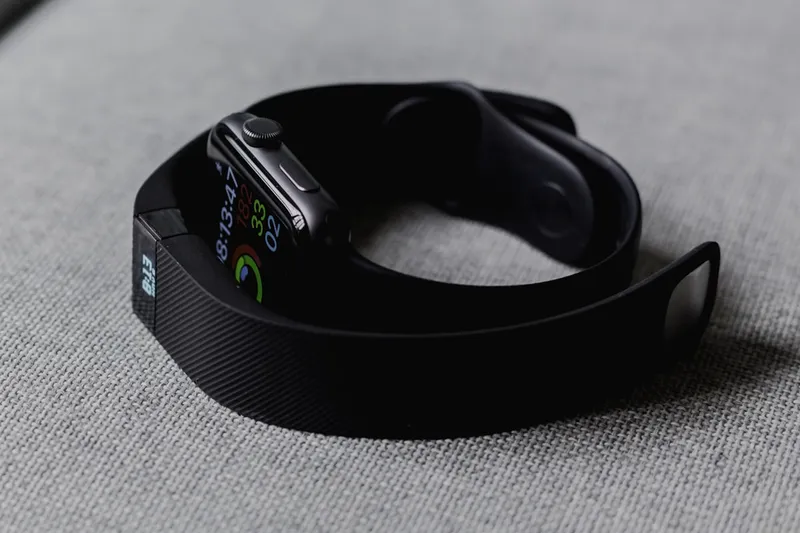
The best AI systems integrate sleep data, heart rate variability (HRV), and subjective feedback to adjust training load in real time. Research in Sports Medicine confirms that HRV-guided training produces superior endurance outcomes compared to fixed training plans (Kiviniemi et al., 2007). If you slept 4 hours, your AI coach should know to dial it back.
3. Progressive Overload with Guard Rails
AI should push you forward, but with built-in safety limits. That means:
- Capping weekly mileage increases at 10%
- Auto-inserting deload weeks every 3-4 weeks
- Flagging when your acute-to-chronic workload ratio is spiking dangerously
4. Human Override
The smartest AI coaches give you the ability to provide feedback: "That was too hard," "My knee hurts," or "I want to focus on endurance." If the AI can't listen to your input, it's not coaching — it's dictating.
How Fortiva Approaches AI Coaching
At Fortiva, we built our AI coaching engine with safety as a first principle. Our system:
- Adapts to your feedback after every workout
- Integrates with Apple Health and Health Connect to read sleep, HRV, and activity data
- Uses progressive overload with automatic deload periods
- Lets you talk to your coach via voice — ask questions, report pain, adjust your plan in natural language
We believe AI coaching should feel like having a knowledgeable friend who happens to be a certified trainer — not a robot pushing you to the breaking point.
The Bottom Line
AI fitness coaches are here to stay. By 2027, most people will interact with some form of AI-driven fitness guidance. The question isn't whether AI coaches will replace human trainers — it's whether the AI systems being built today are responsible enough to earn that trust.
Choose your AI coach wisely. Look for systems that prioritize recovery, listen to your feedback, and understand that rest is training too.
Experience safe, intelligent AI coaching with FORTIVA — built with recovery and personalization at its core.
| Coaching Type | Cost / Accessibility | Personalization Speed | Safety Supervision |
|---|---|---|---|
| Human Trainer | High ($$ / Scheduled) | Weekly adjustments | Real-time visual monitoring |
| AI Coach | Low ($ / 24/7) | Instant (dynamic adjustments) | Biometric safety thresholds |
| Hybrid Model | Moderate ($$ / 24/7) | Instant + Weekly Audit | Dual verification |
[!TIP] Actionable Insight: When starting with an AI coach, ensure your body weight, medical limits, and resting heart rate baselines are correctly set up to calibrate safety limits.
References
Gabbett, T.J. (2016). "The training-injury prevention paradox: should athletes be training smarter and harder?" British Journal of Sports Medicine, 50(5), 273-280.
Google (2026). "Fitbit Coach expands to iOS and international markets." Google Blog, February 2026.
Kiviniemi, A.M. et al. (2007). "Endurance training guided individually by daily heart rate variability measurements." European Journal of Applied Physiology, 101(6), 743-751.
Rhea, M.R. & Alderman, B.L. (2004). "A meta-analysis of periodized versus nonperiodized strength and power training programs." Research Quarterly for Exercise and Sport, 75(4), 413-422.
The Verge (2026). "Runna rolls out easier programs after AI fitness coach injury reports." February 2026.
Make the next action easier
Turn useful ideas into a plan built around your day.
Fortiva connects training, nutrition, recovery, and habits so you know what to do next—and why.
Join the public beta