Circadian Rhythms: Aligning Workouts with Your Body Clock
People differ in schedules, sleep patterns, preferences and training goals.

There is no universal best hour
People differ in schedules, sleep patterns, preferences and training goals. A claim that everyone should train in the same afternoon window ignores those differences. A workable time that you can repeat is often a better planning starting point than an idealized schedule that you regularly miss.
Compare two realistic options
Choose a morning and an evening slot that genuinely fit your week. Across several comparable sessions, record whether you arrived on time, had enough room to warm up and felt prepared. Note meals, sleep and work demands. This is an informal scheduling experiment, not a controlled test of circadian biology.
Keep the comparison fair
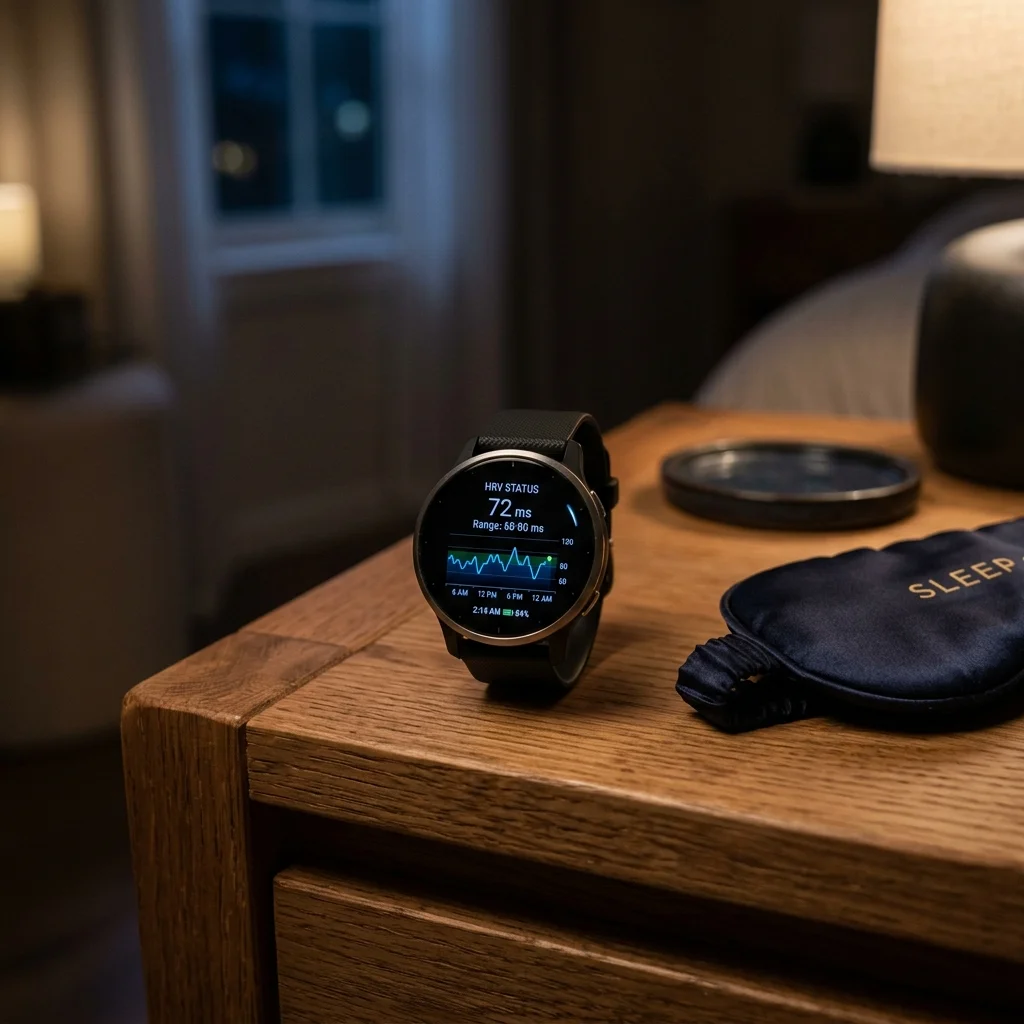
Avoid judging the morning slot from one rushed session and the evening slot from a relaxed weekend. Use similar exercises and pay attention to the whole routine: travel, equipment availability and the time needed afterward. The schedule that causes fewer skipped sessions may be the most useful choice even if a wearable reports a slightly different score.
Adjust the plan around real constraints
If a late session interferes with your wind-down routine, consider a different time or a simpler session. If mornings are unrealistic, there is no need to force them for a supposed special fat-burning advantage. Fortiva’s planning tools can help organize sessions alongside recovery notes. Review the schedule when work or family commitments change, and keep room for a manageable alternative.
Tools and further reading
Explore the related Fortiva coaching tools to organize your own plan.
NHLBI: healthy sleep habits. This guide offers general educational information and has not been presented as a clinical assessment.
Make the next action easier
Turn useful ideas into a plan built around your day.
Fortiva connects training, nutrition, recovery, and habits so you know what to do next—and why.
Join the public beta