Fiber Maxing: The 2026 Nutrition Trend Replacing Protein Obsession
Fiber maxing is the 2026 nutrition trend focused on maximizing daily fiber intake for gut health, metabolism, and weight management. Learn why only 7% of Americans get enough fiber and how to fix it.
Move Over Protein—Fiber Is the New Nutrition Superstar
For years, the fitness world has been obsessed with protein. Every shake, bar, and meal plan centered on hitting protein targets. But in 2026, a new nutrition trend is taking center stage: fiber maxing.
Also known as "fibermaxxing" on social media, this approach focuses on maximizing daily fiber intake through strategic food choices. And the science backing it is compelling.
The Fiber Crisis No One Is Talking About
According to the American Society for Nutrition, only 7% of American adults consume the recommended daily fiber intake (25-38 grams). This widespread deficiency is linked to:
- Poor gut health and digestive issues
- Increased inflammation throughout the body
- Higher risk of metabolic syndrome
- Reduced insulin sensitivity
- Weakened immune function
Why Fiber Matters More Than You Think
The Gut-Metabolic Connection
Your gut microbiome—the trillions of bacteria living in your digestive system—thrives on fiber. When you eat fiber-rich foods, these bacteria produce short-chain fatty acids (SCFAs) that:
- Reduce systemic inflammation
- Improve insulin sensitivity
- Support healthy weight management
- Enhance mood and cognitive function
Fiber Diversity Over Quantity
Nutrition experts are now emphasizing "fiber diversity"—not just hitting a gram target, but consuming different types of fiber from various sources. Different fibers feed different beneficial bacteria, creating a more robust microbiome.
How to Start Fiber Maxing
High-Fiber Foods to Prioritize
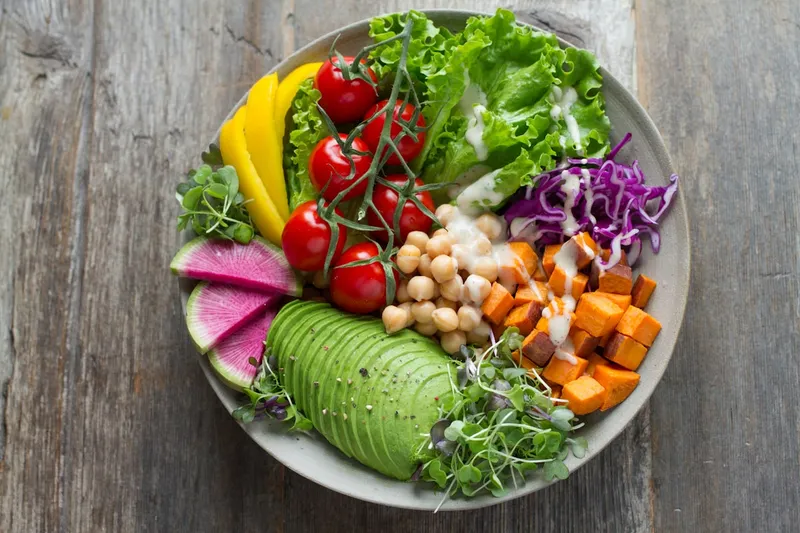
- Legumes: Black beans (15g per cup), lentils (16g per cup), chickpeas (12g per cup)
- Vegetables: Artichokes (10g each), broccoli (5g per cup), Brussels sprouts (4g per cup)
- Whole grains: Oats (4g per cup), quinoa (5g per cup), barley (6g per cup)
- Seeds: Chia seeds (10g per ounce), flaxseeds (8g per ounce)
- Fruits: Raspberries (8g per cup), pears (6g each), apples (4g each)
The Fiber Maxing Protocol
Breakfast: Add chia seeds or ground flax to your morning routine. A simple addition of 2 tablespoons provides 5-10g of fiber.
Lunch: Include a serving of legumes—whether in a salad, soup, or as a side dish.
Dinner: Fill half your plate with fiber-rich vegetables. Roasted Brussels sprouts, sautéed greens, or a large mixed salad.
Snacks: Choose fruits with skin, raw vegetables, or a handful of almonds.
The GLP-1 Connection
Interestingly, the rise of fiber maxing coincides with the popularity of GLP-1 weight loss medications like Ozempic. Many people transitioning off these drugs are turning to high-fiber diets to maintain results naturally.
High-fiber foods naturally slow digestion, increase satiety, and help stabilize blood sugar—mimicking some of the effects that made GLP-1 drugs effective for weight management.
Common Fiber Maxing Mistakes
- Going too fast: Increasing fiber intake dramatically can cause bloating and digestive discomfort. Add 5g per week gradually.
- Forgetting water: Fiber needs water to work properly. Aim for at least 8 glasses daily.
- Relying on supplements: Fiber supplements lack the diversity and additional nutrients of whole foods.
The Bottom Line
Fiber maxing represents a return to nutritional fundamentals. While protein remains important for muscle building and satiety, the evidence increasingly shows that fiber may be the most underrated nutrient for overall health, longevity, and sustainable weight management.
Track your daily fiber intake with FORTIVA's AI nutrition coach. Simply scan your meals and get instant feedback on your fiber diversity score.
| Nutrition Goal | Metabolic Pathways | Target Foods | Daily Recommended Target |
|---|---|---|---|
| Protein Focus | Muscle Protein Synthesis (mTOR) | Chicken breast, eggs, tofu, whey | 1.6 - 2.2g per kg bodyweight |
| Fiber Focus (Maxing) | Gut microbiome fermentation (SCFAs) | Legumes, chia, oats, cruciferous veggies | 38 - 50g per day (Active target) |
[!TIP] Actionable Insight: Avoid jumping from 15g to 50g of daily fiber overnight. Increase intake gradually by 5g increments weekly, and double your water consumption to aid digestion.
Make the next action easier
Turn useful ideas into a plan built around your day.
Fortiva connects training, nutrition, recovery, and habits so you know what to do next—and why.
Join the public beta